19 Easy Winter Decorating Ideas for a Warm and Comfortable Space
When the holiday decorations come down, interiors can suddenly feel bare, cold, and a bit uninspired. Winter, however, offers the perfect opportunity to embrace a quieter, deeply cozy aesthetic focused on texture, warmth, and comfort. Decorating for the winter season doesn’t require a complete overhaul or a large budget. By making intentional adjustments—layering heavy knits, introducing warm ambient lighting, incorporating earthy botanical elements, and re-evaluating room layouts—you can turn your home into a comfortable sanctuary that makes the cold months feel genuinely welcoming. Here are 19 practical and visually inspiring ways to create a warm, layered, and comfortable winter living space.
1. Layer Heavyweight Knit and Faux-Fur Throws

When temperatures drop, dynamic textile layering instantly adds physical and visual warmth to living areas. Swap light summer cottons and linens for substantial chunky knits, bouclé, faux fur, and brushed wool. The key to making this look styled rather than cluttered is pairing different textures within a consistent color family, such as cream, oatmeal, and deep taupe.
- Foundation: Start with a neutral upholstered sofa or armchair.
- Base Layer: Drape a structured wool or heavy woven blanket over the back of the sofa.
- Accent Layer: Fold a chunky cable-knit or soft faux-fur throw loosely over the arm or across the seat cushions.
- Finishing Touch: Pair with deeply textured toss pillows in velvet or corduroy to complete the look.
2. Swap Clear Glass Tableware for Warm Amber Glassware

Replacing crisp, clear glass or bright white ceramics with warm amber, smoked topaz, or deep caramel glass accents brings a rich, golden tone to tabletops and open shelves. Amber glass naturally catches both sunlight and candlelight, casting a warm, honey-toned glow across dining and living areas.
Best For: Dining room tables, open kitchen shelving, and coffee table vignettes.
Investment: Accessible to moderate.
Visual Effect: Infuses spaces with a warm, nostalgic, and golden ambient light.
3. Style Coffee Tables With Architectural Evergreen Branches

Instead of bright floral arrangements, embrace seasonal greenery with tall, structured evergreen branches such as cedar, pine, or juniper. Placing long-stemmed branches in a heavy ceramic or stoneware vase creates an effortless focal point that introduces life and subtle natural fragrance into the room without feeling explicitly like holiday decor.
| Vessel Type | Branch Pairing | Visual Impact |
| Matte Black Ceramic | Juniper or Blue Spruce | Modern, dramatic, high contrast |
| Earthy Terracotta or Stoneware | Cedar or White Pine | Warm, rustic, organic |
| Vintage Brass or Bronze | Douglas Fir or Cypress | Classic, traditional, elevated |
4. Introduce Rich Velvet Toss Pillows in Deep Jewel Tones
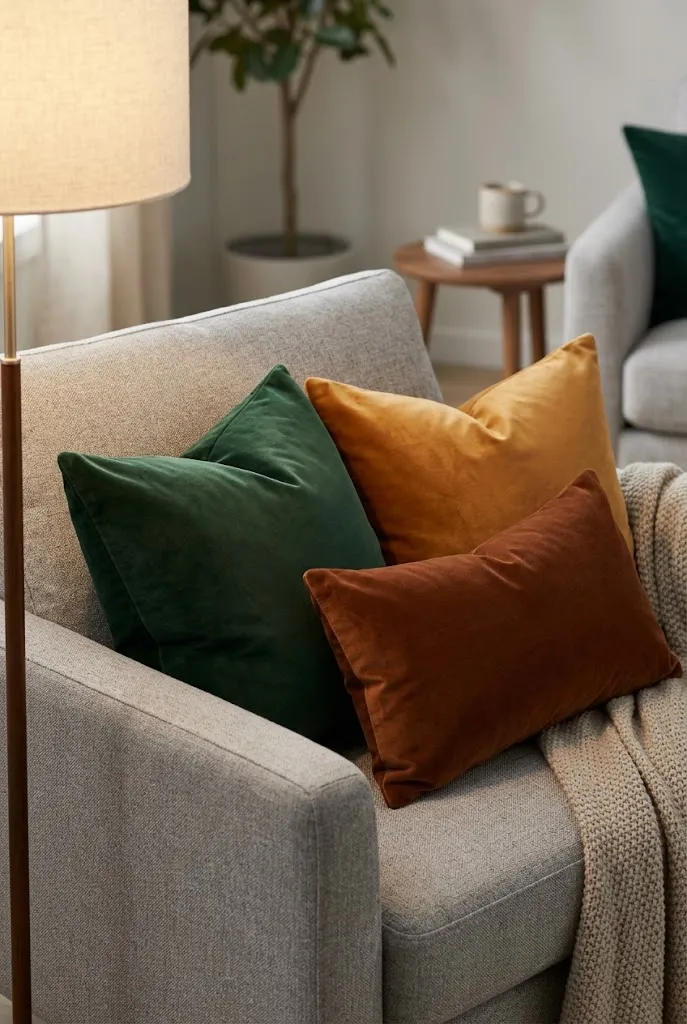
Velvet is the quintessential winter fabric due to its light-reflecting sheen and dense, cozy feel. Replacing airy linen or cotton pillow covers with rich jewel tones like forest green, deep crimson, warm amber, or midnight blue creates an instant visual anchor in living rooms and bedrooms.
Quick Tip: Mix velvet covers with matte woven fabrics like wool or heavy canvas. Combining high-sheen velvet with flat, textured textiles prevents the furniture arrangement from looking overly formal or flat.
5. Anchor Seating Areas With a High-Pile or Vintage Wool Rug
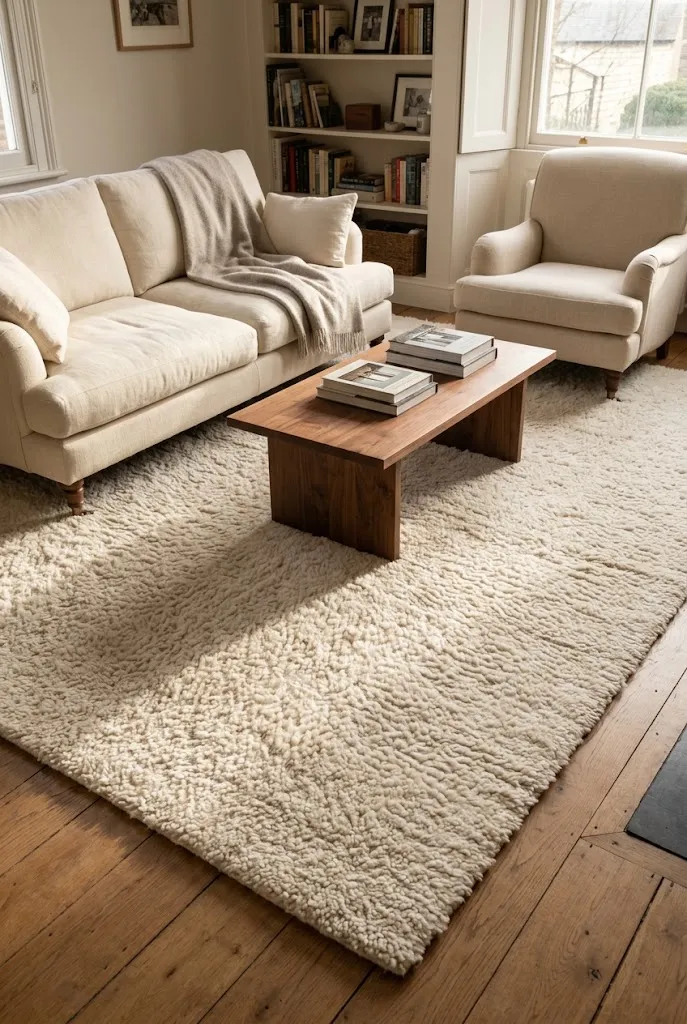
Floors can carry significant cold during winter months, both physically and visually. Placing a thick high-pile plush rug, a wool Berber, or a thick vintage Persian-style rug in seating areas instantly insulates the room and adds an inviting underfoot warmth.
Common Mistake: Choosing a rug that is too small, which leaves furniture sitting isolated on cold bare floors.
Better Approach: Ensure at least the front legs of all major seating pieces rest securely on the rug, binding the room together and maximizing tactile warmth underfoot.
6. Switch to Warm-Temperature Lighting (2700K or Lower)

Light quality dramatically impacts how warm or cold a home feels during darker winter months. Cool white light bulbs (3000K–5000K) can make interiors feel clinical and stark. Swapping main overhead and lamp bulbs to warm white (2200K–2700K) replicates the soft, comforting glow of firelight.
- Audit existing light source temperatures: Check existing LED bulbs in floor lamps, table lamps, and sconces.
- Replace cool bulbs: Install dimmable 2700K (or warm dimming 2200K) warm-white LED bulbs.
- Layer lighting heights: Turn off harsh overhead ceiling lights in the evening and rely entirely on table lamps, floor lamps, and wall sconces placed at eye level.
7. Display Bowls of Winter Citrus and Whole Nuts

Functional, edible displays offer a timeless and budget-friendly way to style dining tables, kitchen islands, and entry consoles. Large wooden or footed ceramic bowls filled with blood oranges, clementines, walnuts, and pecans bring organic color, natural texture, and subtle warmth into the kitchen or dining space.
Best For: Kitchen counters, dining room table centerpieces, and sideboards.
Investment: Accessible / Low cost.
Visual Effect: Adds bright, warm citrus pops against dark wood or stone surfaces while keeping the space feeling fresh and lived-in.
8. Create a Dedicated Hot Beverage Station
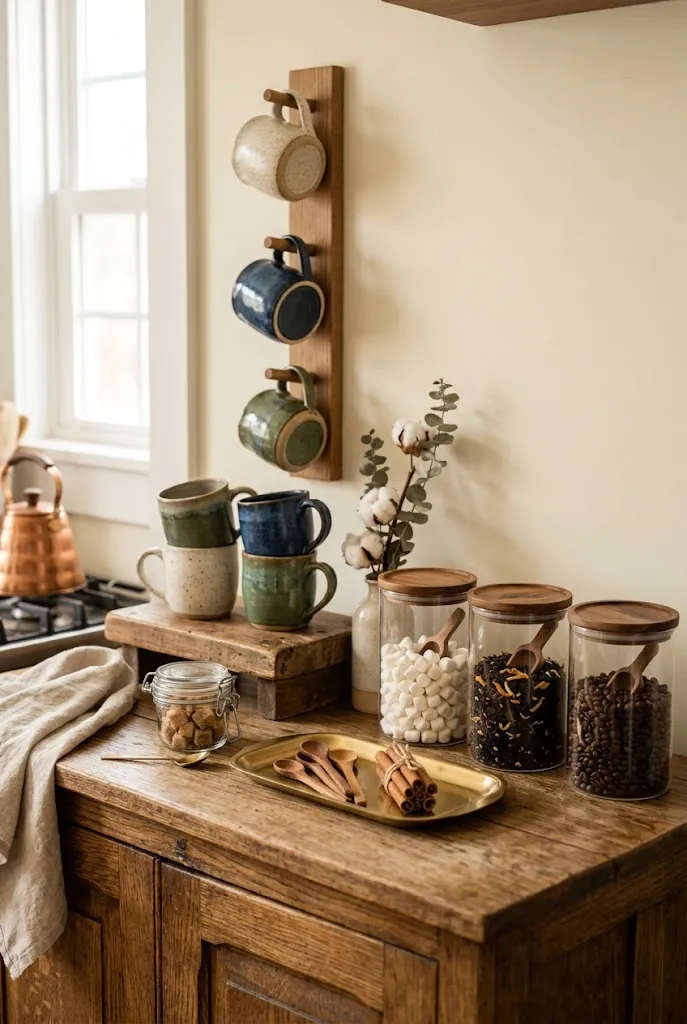
Setting up a dedicated coffee, tea, or hot chocolate bar turns daily winter routines into a visual and experiential ritual. Style a kitchen counter nook, bar cart, or sideboard with pottery mugs, glass jars of cocoa and loose-leaf tea, cinnamon sticks, and wooden spoons.
- Containers: Store tea leaves, coffee beans, and marshmallows in matching glass or ceramic canisters with wooden lids.
- Mug Display: Hang handcrafted pottery mugs on a vertical wooden peg rack or stack them neatly on a small riser.
- Styling Details: Add a small vase with a sprig of dried eucalyptus or a small brass tray to hold spoon rests and sweetener jars.
9. Hang Heavy Linen or Velvet Drapery
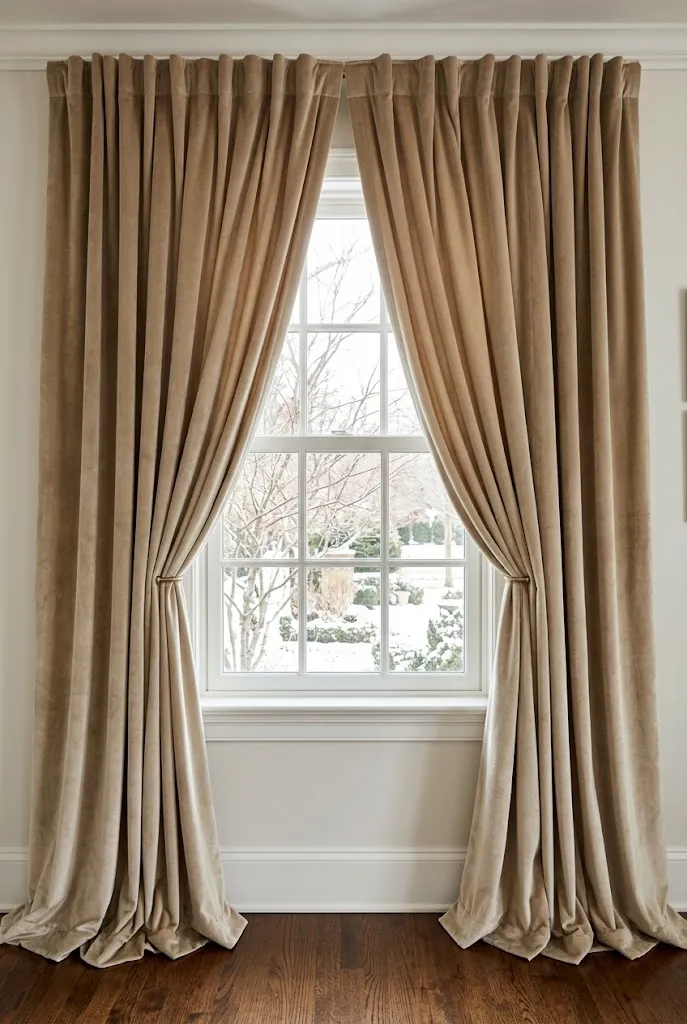
Lightweight summer sheer curtains allow cold drafts to enter through window panes while providing little visual insulation. Replacing airy sheers with heavy floor-length drapes in velvet, heavy linen, or thermal-lined wool insulates windows physically while making the room feel enclosed and secure against winter weather.
Editor’s Note: Mount curtain rods higher and wider than the actual window frame—ideally 6 to 8 inches above the trim and extending 10 to 12 inches past each side. This allows heavy drapery panels to frame the glass without blocking precious daylight during short winter days.
10. Frame Mantelpieces With Taper Candles and Brass Holders
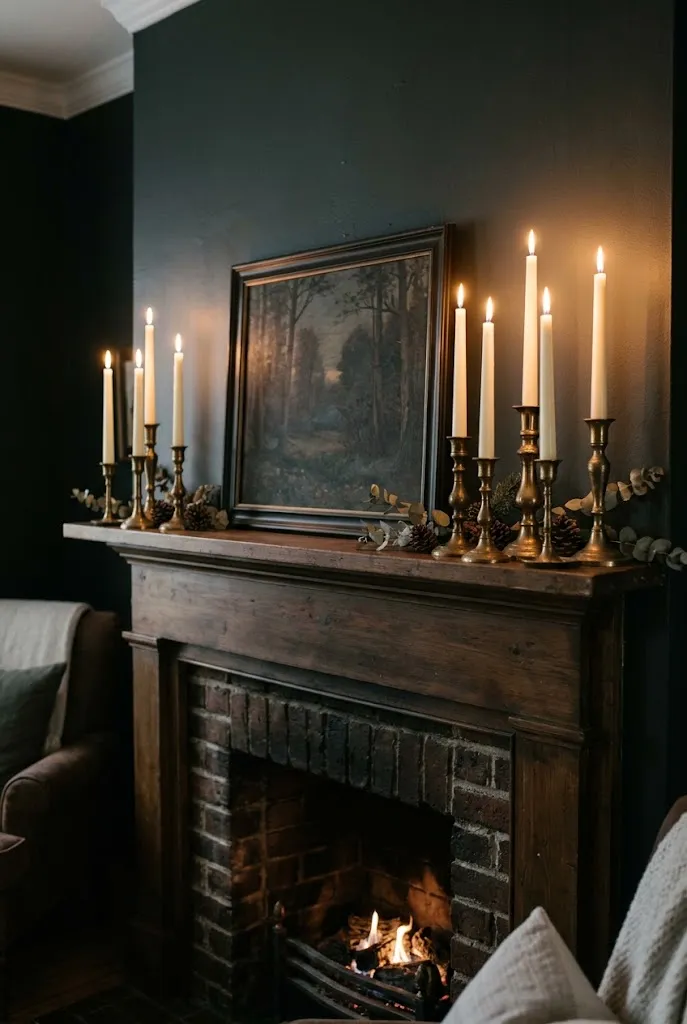
Fireplace mantels naturally serve as central focal points in winter decor. Grouping brass or matte black candle holders in varying heights along the mantel with slim ivory or beeswax taper candles adds vertical interest and romantic ambient light, even when the fireplace itself isn’t lit.
Common Mistake: Spacing candle holders out at perfectly equal intervals across the mantel, which can look rigid and unnatural.
Better Approach: Cluster candle holders in asymmetric groups of three or five on either side of the mantel, leaving open breathing room in the middle for artwork or a mirror.
11. Incorporate Natural Woven Baskets for Wood and Blanket Storage

Large woven baskets made from seagrass, rattan, or heavy felt serve a dual purpose in winter: they provide practical storage for extra throws and firewood while introducing grounding, earthy textures to empty corners and fireplace hearths.
Best For: Fireplace hearths, living room corners, and entryways.
Investment: Accessible.
Visual Effect: Softens hard architectural edges with natural, woven warmth.
12. Group Unscented Pillar Candles on Low Trays

Creating a consolidated “candle landscape” on coffee tables or dining sideboards brings the warmth of a fireplace to spaces without one. Arrange pillar candles of varying heights and diameters on a single tray made of wood, marble, or antique brass to contain the arrangement neatly.
- Select a Base: Choose a sturdy round or rectangular tray with raised lip edges.
- Vary Heights: Select 4 to 6 unscented pillar candles in cream or natural beeswax, ranging from 3 inches to 8 inches in height.
- Cluster: Place the tallest candles toward the center and surround them with shorter pillars.
- Accessorize: Fill small gaps on the tray with a few dried pinecones or small brass snuffed tools.
13. Drape Plush Sheepskins Over Chairs and Benches

A real or high-quality faux sheepskin rug draped over a hard wooden dining chair, entryway bench, or leather armchair instantly adds visual softness and tactile warmth. The plush wool texture breaks up flat furniture surfaces and makes cold seating materials much more comfortable during winter.
| Seating Base | Sheepskin Color | Styling Vibe |
| Dark Leather Armchair | Natural Off-White / Cream | High contrast, Scandinavian, inviting |
| Wooden Dining Chair or Bench | Charcoal Grey or Taupe | Modern, understated, rustic |
| Woven Rattan or Metal Accent Chair | Pure White | Soft, cozy, textural focus |
14. Display Earthy Handmade Ceramics and Stoneware
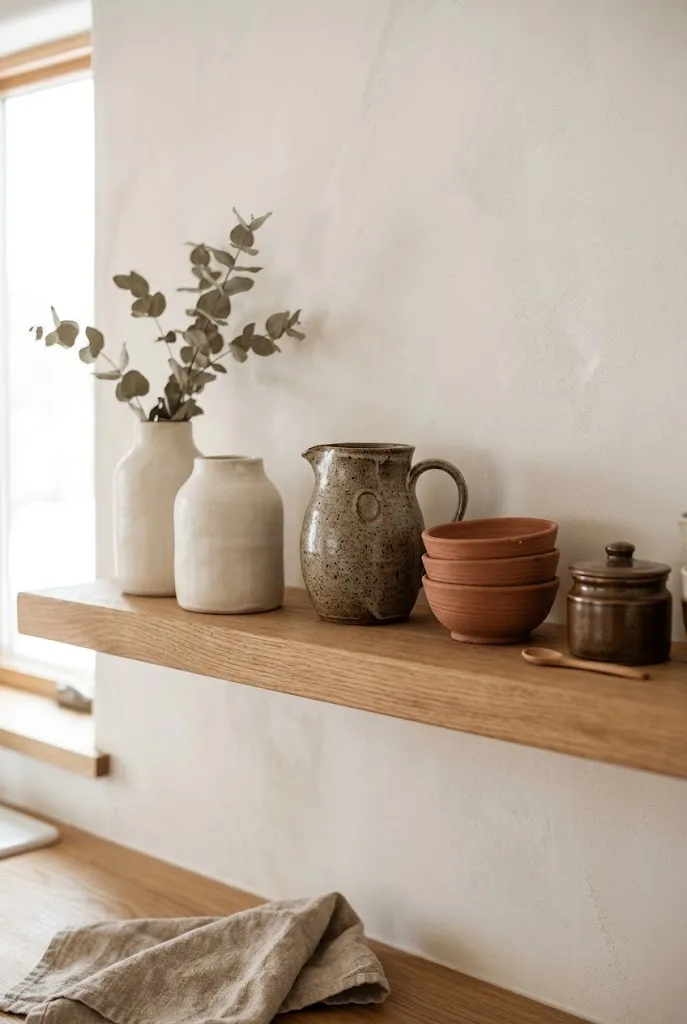
Winter decorating benefits from heavy, tactile materials that feel grounded and permanent. Swapping out glossy, delicate glassware or plastic decor for matte, hand-thrown ceramics, stoneware crocks, and clay vessels introduces a quiet, artisanal quality to open shelves and kitchen counters.
Quick Tip: Look for ceramics with visible hand-built texture, speckled glaze, or raw, unglazed terracotta bases. The natural imperfections in handcrafted stoneware reflect warm light beautifully and add depth to neutral winter displays.
15. Warm Up Bedrooms With Layered Flannel and Quilted Bedding

Transforming a bedroom into a winter retreat relies heavily on updating the bed’s textile weight. Swap lightweight summer sheets for brushed cotton flannel or washed linen sheets, topped with a heavy down duvet and a folded channel-quilted blanket at the foot of the bed.
Common Mistake: Relying solely on one heavy duvet, which can look flat and feel uncomfortably hot.
Better Approach: Layer multiple lighter insulating layers—such as a top sheet, a lightweight quilt, and a folded heavy quilt at the end of the bed—allowing for easy temperature adjustments and a plush, hotel-like look.
16. Incorporate Deep Wood Tones via Side Tables and Trays

Light oak and bleached wood tones feel light and breezy for summer, but winter spaces benefit from the visual weight of deeper wood finishes like walnut, dark chestnut, or smoked oak. Introducing small dark wood accents through footed risers, side tables, or decorative bowls instantly grounds light-colored rooms.
Best For: Living room seating areas and bedside tables.
Investment: Moderate to aspirational.
Visual Effect: Adds visual gravity, depth, and rich natural warmth to light or all-white spaces.
17. Line Entryways With Boot Trays and Woven Door Mats

Winter weather brings slush, snow, and mud into the home. An entry space can remain stylish while staying practical by integrating a heavy-duty copper, brass, or galvanized metal boot tray lined with smooth river stones alongside a natural coir doormat.
- Mat Base: Lay down a durable, high-density natural coir mat at the doorway to catch grit.
- Boot Tray: Place a shallow rimmed brass or metal tray filled with rounded river rocks next to the door.
- Drainage: The river stones hold wet boot soles above collected water, allowing footwear to dry faster while looking intentional and neat.
18. Hang Subtle Botanical Wreaths Made of Dried Herbs and Pines

Moving past bright red holiday wreaths, transition your wall and door decor into quiet winter botanicals. Simple minimalist wire or grapevine wreaths crafted from dried eucalyptus, olive branches, bay leaves, or subtle pine sprigs bring organic shapes and subtle earthy fragrance into entryways, kitchens, and living rooms.
Quick Tip: Secure a loose, asymmetric arrangement of dried botanicals to only one side of a slender brass ring wreath. The exposed metal ring adds a sleek modern touch that contrasts beautifully with organic dried foliage.
19. Introduce Moodier Mood-Boosting Wall Art and Prints

In dark winter months, artwork featuring light, airy beach scenes can feel out of season. Swapping framed prints for moodier, warmer subjects—such as dark vintage landscapes, botanical sketches, or rich abstract oil paintings in deep amber, forest, and charcoal tones—instantly transforms the mood of a room.
Best For: Gallery walls, mantel displays, and entry consoles.
Investment: Accessible (using downloadable art prints) to moderate.
Visual Effect: Changes the emotional tone of the space, making it feel grounded, contemplative, and snug.
Quick-Start Checklist for Winter Decorating
To make transitioning your home for winter effortless, prioritize these small changes step by step:
- Lighting: Swap cool light bulbs for 2700K warm LED bulbs in all living area lamps.
- Textiles: Bring out chunky knit throws, velvet pillow covers, and wool blankets.
- Nature: Collect fresh cedar or pine branches for coffee table vases.
- Ambiance: Set up a tray with pillar candles or place taper candles on the fireplace mantel.
- Comfort: Add a high-pile rug or drape a sheepskin over your favorite armchair.